Essential Resources for Generative AI Supply Chain Implementation
Navigating the rapidly evolving landscape of artificial intelligence in logistics requires access to the right tools, knowledge bases, and professional networks. As organizations worldwide race to implement advanced technologies that transform their operations, having a curated collection of high-quality resources becomes invaluable. This comprehensive roundup brings together the most impactful tools, frameworks, publications, communities, and learning platforms that supply chain professionals need to successfully leverage artificial intelligence capabilities. Whether you're beginning your transformation journey or scaling existing implementations, these resources provide the foundation for informed decision-making and sustained competitive advantage in an increasingly automated global marketplace.
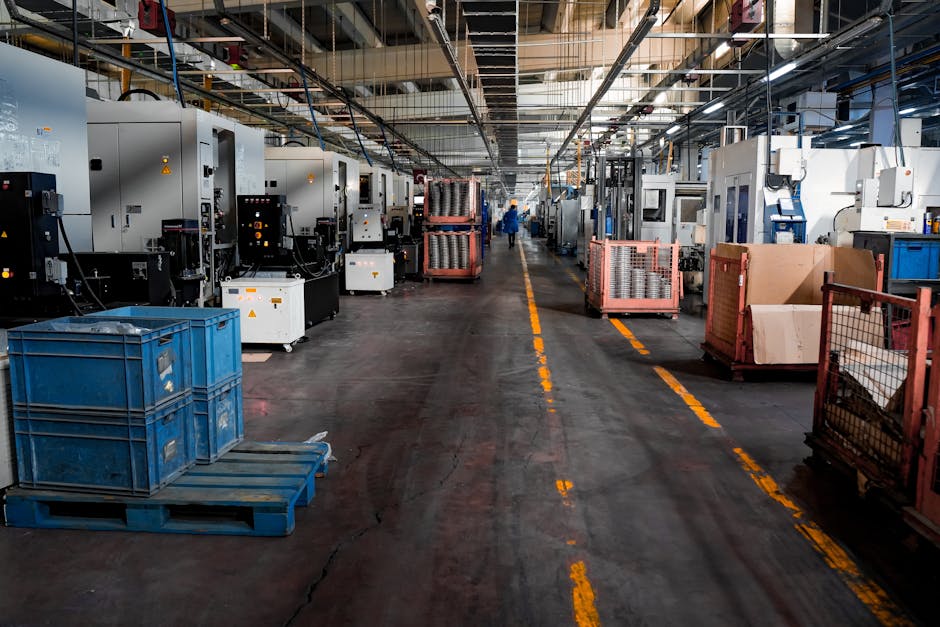
The transformation of logistics operations through Generative AI Supply Chain technologies represents one of the most significant shifts in business operations this decade. Understanding which resources deliver genuine value versus marketing noise can mean the difference between successful implementation and costly false starts. The following sections organize essential resources across multiple categories, each carefully selected for practical applicability and proven impact in real-world logistics environments.
Essential Platforms and Tools for Generative AI Supply Chain Operations
The technology stack powering modern supply chain transformation combines specialized platforms with general-purpose AI frameworks. Leading solutions include comprehensive demand forecasting platforms that leverage large language models to analyze market signals, consumer sentiment, and historical patterns simultaneously. Cloud-based optimization engines now incorporate generative capabilities that produce multiple scenario analyses within seconds, enabling rapid response to disruptions. Real-time visibility platforms have evolved beyond simple tracking to include predictive alerts generated through AI analysis of transportation patterns, weather data, and geopolitical factors.
Open-source frameworks provide cost-effective entry points for organizations building custom solutions. TensorFlow Supply Chain Extensions offer pre-trained models specifically designed for logistics applications, while PyTorch Forecasting libraries enable rapid prototyping of demand prediction systems. AutoML platforms now include industry-specific templates that reduce the technical barrier to entry, allowing supply chain professionals without deep data science backgrounds to develop functional AI models. Integration middleware has become increasingly sophisticated, with specialized connectors that bridge legacy enterprise resource planning systems with modern AI platforms, ensuring seamless data flow across the technology ecosystem.
Must-Read Publications and Research Resources
Staying current with rapidly evolving best practices requires engagement with authoritative publications and cutting-edge research. The Journal of Supply Chain Management regularly publishes peer-reviewed studies examining AI implementation outcomes, providing evidence-based insights into what actually works in operational environments. MIT's Center for Transportation and Logistics releases quarterly reports analyzing emerging technologies, offering detailed case studies that reveal both successes and cautionary tales from early adopters. Industry analysts including Gartner and Forrester produce comprehensive market guides that evaluate vendor capabilities and provide implementation frameworks tailored to different organizational maturity levels.
For organizations ready to move beyond theoretical understanding to practical implementation, exploring AI solution development approaches becomes essential. Academic institutions have established dedicated research centers focusing on supply chain AI, making their findings accessible through public repositories. Carnegie Mellon's Supply Chain Analytics Lab shares datasets and models that enable practitioners to benchmark their own implementations. Stanford's Human-Centered Artificial Intelligence group publishes guidelines for responsible AI deployment in logistics, addressing critical concerns about algorithmic bias and ethical decision-making frameworks.
Professional Communities and Networking Platforms
Connecting with peers facing similar challenges accelerates learning and helps avoid common pitfalls. The Council of Supply Chain Management Professionals maintains an active AI Special Interest Group where practitioners share implementation experiences, vendor evaluations, and lessons learned from both successful deployments and failed experiments. LinkedIn groups dedicated to Generative AI Supply Chain topics host daily discussions featuring insights from professionals across industries and geographies, creating valuable cross-pollination of ideas and approaches.
Regional chapters of the Institute for Supply Management organize quarterly meetups focused specifically on AI and Logistics Automation, providing face-to-face networking opportunities and hands-on workshops. Virtual communities have proven equally valuable, with Discord servers and Slack workspaces dedicated to supply chain AI topics maintaining active member bases that provide real-time problem-solving support. Annual conferences including the Supply Chain AI Summit and Logistics Technology Forum bring together vendors, practitioners, and researchers for intensive knowledge exchange, with recorded sessions providing ongoing value long after events conclude.
Frameworks and Methodologies for Structured Implementation
Successful deployment requires more than just technology selection—it demands structured approaches that manage change, measure impact, and scale capabilities systematically. The Supply Chain Operations Reference model has been updated to include AI-specific process elements, providing a standardized framework for assessing current state and defining target capabilities. Maturity models developed by industry consortiums help organizations benchmark their AI readiness across dimensions including data infrastructure, talent capabilities, and organizational change management. Implementation roadmaps published by leading consultancies break down complex transformations into manageable phases, with clear success criteria for each stage.
Agile methodologies adapted for AI projects address the unique challenges of machine learning development, including model drift, continuous retraining requirements, and the iterative nature of algorithm optimization. The CRISP-DM framework remains relevant for structuring data science projects in supply chain contexts, while newer approaches like MLOps provide operational disciplines for maintaining AI systems in production environments. Risk management frameworks specifically addressing AI deployment help organizations identify potential failure modes, establish monitoring systems, and create contingency plans for scenarios where AI recommendations prove suboptimal.
Training Resources and Certification Programs
Building internal capabilities requires comprehensive training that spans technical skills, business acumen, and change management competencies. Coursera and edX offer specialization tracks in Supply Chain Optimization that combine traditional logistics principles with modern AI techniques, providing flexible learning paths for working professionals. MIT Professional Education delivers intensive certificate programs bringing together supply chain leaders for immersive experiences combining classroom instruction with hands-on projects using real datasets. The Association for Supply Chain Management now offers AI-focused credentials that validate practitioner knowledge and skills, increasingly valued by employers seeking proven expertise.
Vendor-provided training programs, while sometimes promotional in nature, often deliver valuable hands-on experience with specific platforms and tools. Many leading AI Logistics Solutions providers offer certification tracks that combine product-specific training with broader best practices applicable across technologies. Internal training programs developed by organizations that have successfully implemented Generative AI Supply Chain systems increasingly become marketable assets, with some companies offering public workshops that share their learnings while generating additional revenue streams. Mentorship networks connecting AI practitioners with supply chain veterans create bidirectional learning opportunities, ensuring technical implementations remain grounded in operational realities.
Emerging Resources and Future Directions
The resource landscape continues to evolve rapidly as the field matures and new approaches emerge. Simulation environments now allow risk-free experimentation with AI-driven decision-making, providing sandbox environments where supply chain professionals can test algorithms against historical scenarios without operational consequences. Benchmark datasets released by industry consortiums enable rigorous evaluation of model performance, creating standardized measures that facilitate meaningful comparisons across different approaches. Collaborative research initiatives bringing together competing organizations to address shared challenges demonstrate the recognition that advancing the entire field benefits all participants.
Open innovation platforms where practitioners share model architectures, training techniques, and implementation patterns have begun to emerge, creating commons-based resources that accelerate capability development across the industry. Ethics guidelines specifically addressing AI in supply chain contexts help organizations navigate complex decisions about automation, worker displacement, and algorithmic transparency. Regulatory frameworks continue to evolve, with professional associations publishing guidance that helps organizations stay ahead of compliance requirements while maintaining operational effectiveness.
Conclusion: Building Your Resource Strategy
The breadth of available resources for Generative AI Supply Chain implementation can feel overwhelming, but strategic curation creates manageable learning paths and capability development roadmaps. Organizations should begin by assessing their current state across technology, talent, and process dimensions, then select resources that address their most critical gaps and align with their strategic priorities. Combining foundational education through academic programs with practical vendor training, active participation in professional communities, and engagement with cutting-edge research creates a balanced approach that builds both theoretical understanding and operational capability.
The most successful implementations emerge from organizations that view AI adoption not as a one-time technology project but as an ongoing journey requiring continuous learning and adaptation. As capabilities mature and new use cases emerge, the resource landscape will continue to expand and evolve. Establishing regular habits of engagement—dedicating time to reading recent research, participating in community discussions, and experimenting with new tools—ensures organizations maintain currency in this rapidly moving field. For supply chain professionals ready to embrace broader technological transformation, exploring complementary capabilities in Intelligent Automation creates synergies that amplify the impact of AI investments while building organizational competencies that drive competitive advantage across multiple dimensions of operational excellence.
Comments
Post a Comment