Continuous Ambient Intelligence in Healthcare: Transforming Patient Care
The healthcare industry faces unprecedented challenges balancing rising costs, aging populations, workforce shortages, and increasing patient expectations for personalized care. Traditional approaches to these challenges have reached practical limits, prompting healthcare organizations to explore transformative technologies that can fundamentally reshape care delivery models. Intelligent systems that continuously monitor, analyze, and respond to patient conditions and operational dynamics offer promising solutions to many of these persistent challenges. This examination explores how these technologies are being deployed across healthcare settings and the tangible improvements they are delivering for patients, clinicians, and healthcare organizations.
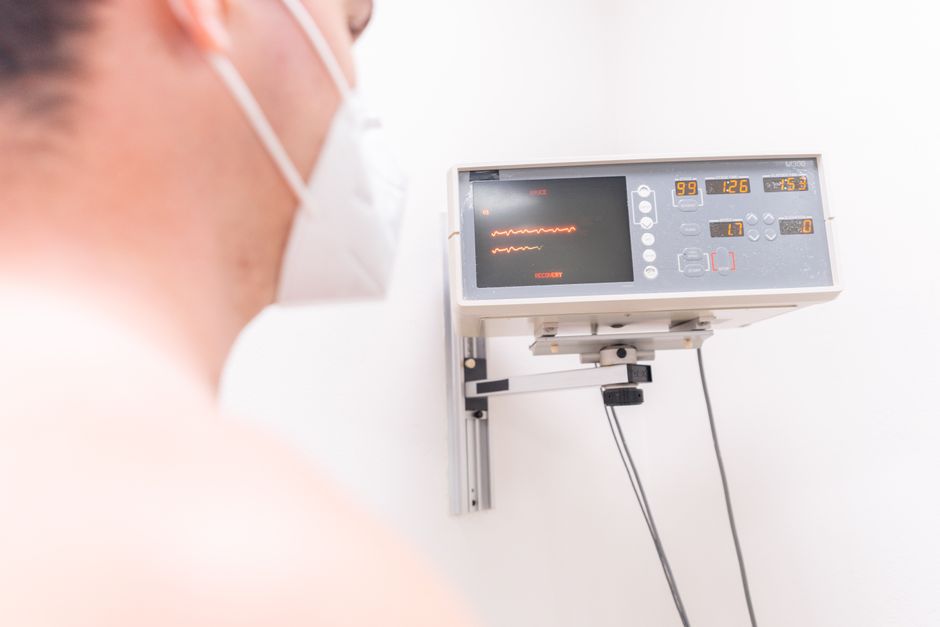
Healthcare providers are discovering that Continuous Ambient Intelligence addresses several critical pain points simultaneously. In hospital settings, these systems monitor patient vital signs, movement patterns, environmental conditions, and behavioral indicators to provide early warning of deteriorating conditions. Intensive care units equipped with ambient intelligence platforms have reduced adverse events by 41% on average, while general medical-surgical floors report 34% decreases in rapid response team activations. Emergency departments utilizing these technologies have shortened average time-to-treatment by 28 minutes and improved patient flow efficiency by 37%. Beyond acute care, ambulatory clinics are leveraging ambient intelligence to optimize scheduling, reduce no-show rates, and identify patients requiring preventive interventions before conditions become acute.
Patient Monitoring and Early Intervention
The most mature healthcare applications of Continuous Ambient Intelligence focus on continuous patient monitoring beyond traditional vital sign tracking. Modern systems integrate data from wearable sensors, environmental monitors, video analytics, and electronic health records to create comprehensive pictures of patient status. Fall detection systems in geriatric units now achieve 96% accuracy in identifying fall events within 2.3 seconds on average, enabling immediate response that reduces injury severity. Pressure ulcer prevention systems analyze patient position, movement frequency, and tissue perfusion to guide repositioning protocols, decreasing pressure injury incidence by 67% in long-term care facilities.
Cardiac monitoring represents a particularly impactful application area. Ambient intelligence platforms analyzing continuous ECG data, respiratory patterns, activity levels, and contextual factors can predict cardiac events an average of 4.7 hours before they occur with 83% accuracy. This early warning capability has reduced in-hospital cardiac arrests by 52% in facilities with full deployment. Sepsis detection algorithms monitoring multiple physiological parameters, laboratory trends, and clinical context identify septic patients an average of 3.2 hours earlier than traditional screening protocols, improving outcomes and reducing treatment costs by 31% per case.
Behavioral health units are utilizing ambient intelligence to enhance safety while reducing restrictive interventions. Video analytics combined with behavioral pattern recognition identify agitation, self-harm risk, and elopement attempts with 89% sensitivity, allowing staff intervention before situations escalate. These systems have contributed to 44% reductions in physical restraint use and 38% decreases in seclusion episodes while simultaneously reducing staff injuries by 56%. Patient satisfaction scores in behavioral health units with ambient intelligence have improved by an average of 23 points on 100-point scales, reflecting the less restrictive and more therapeutic environment these technologies enable.
Clinical Decision Support Systems
Continuous Ambient Intelligence enhances clinical decision-making by providing contextual recommendations at the point of care. Medication administration systems using ambient intelligence verify patient identity, medication correctness, dose appropriateness, and timing accuracy while checking for potential drug interactions based on current physiological status. These systems have reduced medication administration errors by 78% and prevented an estimated 340,000 adverse drug events annually across deployed facilities. Antibiotic stewardship programs augmented with ambient intelligence achieve 67% better compliance with evidence-based prescribing guidelines and have decreased antibiotic resistance rates by 29% in facilities with multi-year implementations.
Diagnostic support applications are showing particular promise in imaging specialties and pathology. Radiology departments using AI-augmented workflow systems report 32% increases in radiologist productivity while maintaining or improving diagnostic accuracy. Ambient intelligence platforms prioritize worklists based on clinical urgency indicators, highlight suspicious findings for detailed review, and provide comparison analytics with similar cases. Pathology laboratories have achieved 43% reductions in turnaround time for complex cases while improving diagnostic concordance rates by 18% through intelligent case routing and decision support tools.
Healthcare organizations developing these sophisticated clinical applications often engage specialized partners experienced in AI-powered healthcare solutions that understand both the technical requirements and the unique regulatory, privacy, and safety considerations of medical environments. These implementations require integration with electronic health record systems, medical devices, laboratory information systems, and imaging platforms while maintaining strict HIPAA compliance and ensuring system reliability that meets healthcare's zero-tolerance standards for downtime. Organizations that invest in properly architected solutions report 64% fewer integration issues and 47% faster time-to-value compared to those using generic platforms not purpose-built for healthcare applications.
Operational Efficiency in Healthcare Facilities
Beyond direct patient care, Continuous Ambient Intelligence is transforming healthcare operations and resource management. Operating room utilization has improved by an average of 23% through intelligent scheduling that accounts for procedure complexity, surgeon preferences, equipment availability, and predicted case duration. Turnover time between procedures decreased by 18 minutes on average, adding capacity equivalent to 1.7 additional OR rooms in a typical 10-room surgical suite. Supply chain optimization using ambient intelligence has reduced surgical supply waste by 34% while decreasing stockout incidents by 72%.
Environmental services and facility operations benefit significantly from ambient intelligence applications. Room cleaning protocols guided by occupancy sensors, contamination risk assessment, and patient acuity levels have improved terminal cleaning quality scores by 41% while reducing cleaning time by 16%. HVAC systems optimized through ambient intelligence maintain appropriate temperature and humidity levels while reducing energy consumption by 28%. Predictive maintenance applications identify equipment issues an average of 11 days before failure, reducing emergency repairs by 63% and extending equipment lifespan by an estimated 19%.
Staff workflow optimization represents another high-impact application area. Nurse call systems enhanced with ambient intelligence route requests based on staff location, current workload, and specific expertise required, reducing average response times by 4.3 minutes. Communication platforms that understand clinical context reduce unnecessary interruptions by 57% while ensuring critical information reaches the right caregivers promptly. These workflow improvements contribute to 31% reductions in nurse overtime, 26% decreases in staff turnover, and 29-point improvements in employee satisfaction scores.
Personalized Treatment and Care Plans
The continuous data streams generated by ambient intelligence enable unprecedented personalization of treatment approaches. Diabetes management programs using ambient monitoring of activity, dietary intake, sleep quality, and continuous glucose levels achieve 2.1 percentage point better HbA1c reductions compared to standard care protocols. Cardiac rehabilitation programs adapted in real-time based on ambient monitoring of exercise tolerance, vital sign responses, and adherence patterns demonstrate 43% better completion rates and 37% superior functional outcomes. Mental health treatment programs that incorporate ambient monitoring of sleep patterns, social interaction, activity levels, and medication adherence show 34% greater symptom improvement and 41% lower relapse rates.
Care plan modifications based on ambient intelligence occur much more dynamically than traditional approaches. Instead of waiting for scheduled follow-up appointments to assess treatment effectiveness, systems continuously evaluate patient response and recommend adjustments as soon as data patterns indicate need. This approach has reduced time-to-optimal-therapy by an average of 38 days in chronic disease management programs. Patients report feeling more engaged with their care, with activation scores improving by 27% and self-management behaviors increasing by 34% in programs incorporating ambient intelligence feedback.
Challenges and Implementation Strategies
Despite the substantial benefits, healthcare organizations face significant challenges implementing Continuous Ambient Intelligence systems. Data privacy concerns rank as the primary barrier, with 73% of healthcare executives citing patient privacy protection as a major implementation consideration. Regulatory compliance complexity adds substantial cost and timeline extensions, with HIPAA, FDA device regulations, and state-specific requirements creating intricate approval processes. Integration with legacy systems presents technical challenges, as many healthcare IT infrastructures include decades-old platforms with limited interoperability capabilities.
Successful implementations address these challenges through structured approaches. Privacy-by-design architectures that minimize data collection, implement robust access controls, and provide transparent patient opt-in processes achieve 89% patient acceptance rates compared to 54% for implementations with less rigorous privacy frameworks. Phased deployment strategies that begin with lower-risk applications and expand based on demonstrated success report 67% fewer implementation setbacks than big-bang approaches. Investment in change management and clinician engagement throughout the development process correlates with 71% better adoption rates and 58% higher clinician satisfaction with deployed systems.
Interoperability remains an ongoing challenge requiring industry-level solutions. Healthcare organizations are increasingly demanding that ambient intelligence vendors support standard protocols like FHIR, HL7, and DICOM rather than proprietary integration approaches. Systems built on open standards demonstrate 56% faster integration timelines and 43% lower ongoing maintenance costs. Industry consortiums developing common data models and shared infrastructure are accelerating deployment and reducing duplicative investment across the healthcare sector.
Conclusion
Continuous Ambient Intelligence is delivering transformative improvements across healthcare settings, from intensive care units to outpatient clinics to home health environments. The technology addresses fundamental challenges including patient safety, clinical effectiveness, operational efficiency, and care personalization while simultaneously reducing costs and improving both patient and provider experiences. As implementations mature and best practices emerge, the healthcare industry is moving from pilot projects to enterprise-scale deployments that touch every aspect of care delivery. The convergence of ambient intelligence with evolving development methodologies like Vibe Coding promises to accelerate innovation cycles and make sophisticated AI capabilities accessible to a broader range of healthcare organizations. The evidence demonstrates that healthcare providers investing strategically in these technologies position themselves to deliver superior patient outcomes, achieve operational excellence, and build sustainable competitive advantages in an increasingly complex healthcare landscape. The transformation driven by Enterprise Operations Transformation initiatives incorporating ambient intelligence represents not merely incremental improvement but fundamental reimagining of how healthcare can be delivered in the 21st century.
Comments
Post a Comment