AI Autonomy Driving Change in Industrial Automation
AI autonomy is revolutionizing the field of industrial automation, carving out new opportunities for growth and efficiency across different sectors. By harnessing AI, companies in the manufacturing industry are redefining the production landscape through improved process control, enhanced visibility, and greater adaptation to Industry 4.0 standards.
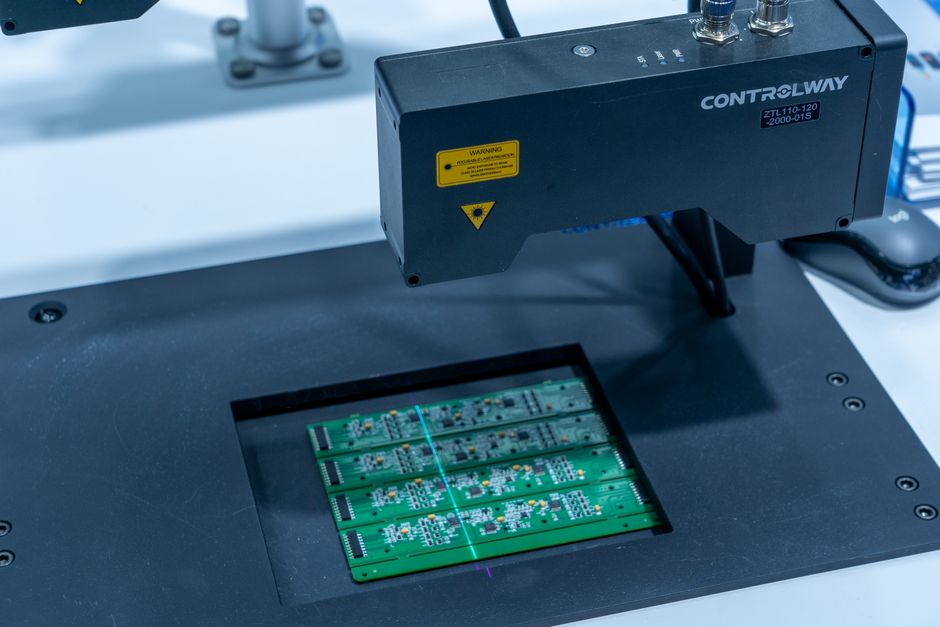
The journey from automation to full autonomy is being cemented by AI Autonomy in Industrial Automation, offering a new frontier for industries aiming to optimize discrete manufacturing processes and ensure real-time process visibility. Honeywell, for example, is actively incorporating AI into its operations to streamline production and enhance SCADA monitoring capabilities.
Healthcare Manufacturing: A Case Study in Automation
Focusing on healthcare manufacturing, AI autonomy plays a critical role in compliance and quality assurance. In this sector, integrating AI-driven MES systems with existing vaccine production lines offers precise control over batch quality and traceability. It ensures compliance with stringent regulatory standards while minimizing human error.
Ensuring Quality and Consistency
AI systems provide continuous analytic feedback, improving the accuracy of HMI interfaces and reducing the risk of product recall. This real-time analysis enables manufacturers to adjust production parameters instantly, thus preventing defects and maintaining consistently high-quality outcomes.
- AI-powered solutions synchronize supply chains, balancing demand and production to avoid bottlenecks.
- Through condition-based maintenance scheduling, manufacturers ensure machines operate at optimal levels, reducing wear and tear.
Retail Manufacturing: Leveraging AI for Optimization
In the retail manufacturing space, AI autonomy enhances supply chain synchronization and inventory management. AI agents are increasingly used to forecast demand and adjust production schedules accordingly, resulting in reduced lead times and greater customer satisfaction.
Robust AI integration is evident in Schneider Electric's operations, where leveraged AI agents redefine enterprise workflows, driving efficiency gains across multiple production sites. Their approach encompasses edge computing to ensure secure, real-time data processing even in highly distributed environments.
The Path Forward for Autonomous Enterprise Systems
For manufacturing industries, adopting an effective pathway to AI integration ensures long-term sustainability and competitive advantage. Identifying specific challenges and tailoring AI solutions to meet industry-specific demands is essential for success.
Conclusion
The trajectory towards AI-driven autonomy is a thrilling evolution in industrial automation. Embracing these technologies helps manufacturers not only meet current demands but anticipate future challenges head-on. The development of a robust Autonomous Enterprise System is crucial, paving the way for the next generation of smart factories to thrive in an increasingly complex and dynamic global market.
Comments
Post a Comment