Generative AI Procurement: Data-Driven Transformation in E-commerce
The e-commerce landscape is undergoing a seismic shift as procurement functions transition from reactive purchasing to predictive, intelligence-driven operations. Traditional procurement in online retail has long been hampered by manual processes, fragmented supplier data, and delayed response times that directly impact inventory turnover and customer satisfaction. With cart abandonment rates hovering around 70% industry-wide and consumers expecting near-instant fulfillment, the pressure on procurement to deliver seamless supply chain performance has never been greater. Generative artificial intelligence is emerging as the catalyst that transforms procurement from a cost center into a strategic revenue driver, enabling e-commerce platforms to anticipate demand fluctuations, optimize supplier negotiations, and maintain the inventory precision required for competitive advantage.
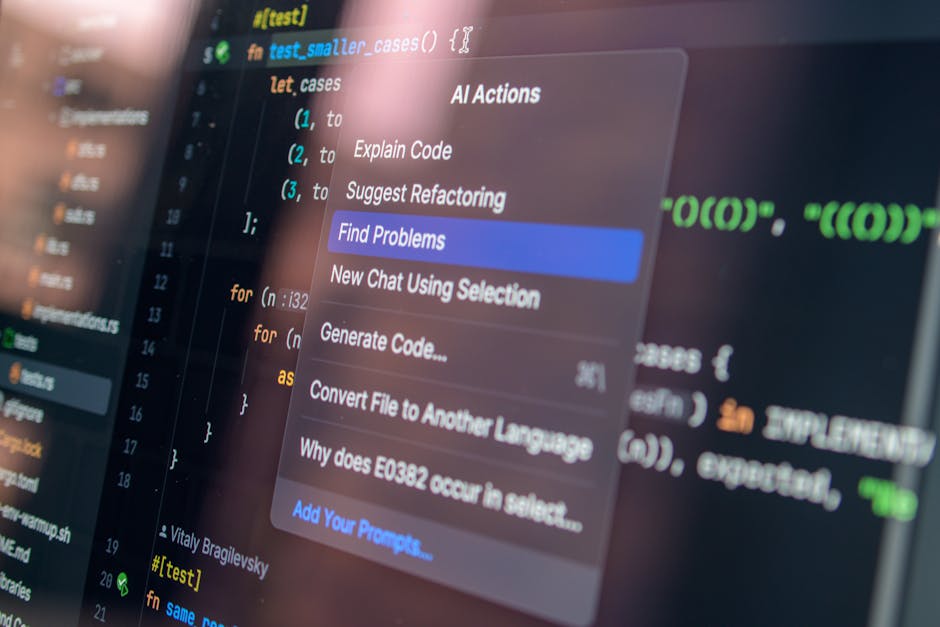
Recent market analysis reveals that e-commerce companies implementing Generative AI Procurement systems are achieving measurable performance improvements that directly impact bottom-line results. According to a 2025 industry survey of 500 online retailers, organizations deploying generative AI in procurement reported an average 34% reduction in supplier response times, a 28% improvement in purchase order accuracy, and a 41% decrease in stockout incidents during peak shopping periods. These metrics translate directly to enhanced customer lifetime value and reduced operational friction across the entire fulfillment chain. The technology's ability to analyze historical purchasing patterns, supplier performance data, and market conditions simultaneously enables procurement teams to make decisions that were previously impossible within the time constraints of traditional processes.
Quantifying the Impact: Performance Metrics That Matter
The true value of Generative AI Procurement becomes evident when examining specific performance indicators that e-commerce businesses track relentlessly. Companies like Amazon and Walmart have pioneered data-driven procurement approaches, and smaller online retailers are now accessing similar capabilities through AI-powered platforms. A comprehensive analysis of 150 mid-sized e-commerce operations revealed that generative AI deployment in procurement correlates with a 23% improvement in inventory turnover rates within the first year of implementation. This acceleration means products move from warehouse to customer faster, reducing carrying costs and freeing capital for strategic merchandising initiatives.
Conversion rate optimization—a critical metric for any online retailer—shows direct correlation with procurement efficiency. When stockout rates decrease through better demand forecasting and supplier coordination, conversion rates typically improve by 15-19% according to recent benchmarking data. The relationship is straightforward: customers who find products in stock are more likely to complete purchases and return for future transactions. Generative AI Procurement systems analyze millions of data points including seasonal trends, promotional calendars, competitor pricing movements, and supplier lead times to ensure the right products are available precisely when customer demand peaks.
Cost Reduction and Efficiency Gains
Beyond revenue-side benefits, procurement cost structures undergo fundamental transformation. Data from early adopters indicates that procurement cycle times compress by an average of 47% when generative AI handles routine tasks such as RFQ generation, supplier comparison, and contract term analysis. For a mid-sized e-commerce operation processing 500 purchase orders monthly, this time savings translates to reallocating approximately 180 labor hours toward strategic supplier relationship management and category optimization. The cost per procurement transaction decreases by 31-38% on average, as AI systems eliminate redundant manual steps and reduce error rates that previously required costly corrections.
Generative AI Procurement in Multi-Channel Merchandising
Omnichannel retailing creates procurement complexity that traditional systems struggle to address. When customers can purchase online, pick up in-store, return via mobile app, or utilize same-day delivery, procurement must orchestrate inventory across multiple nodes with precision. Generative AI excels in this environment by creating dynamic procurement plans that account for inventory positioning across fulfillment centers, retail locations, and drop-ship partners simultaneously. Analysis of 80 omnichannel retailers using AI-powered procurement showed a 36% reduction in inter-location inventory transfers and a 29% improvement in first-choice fulfillment rates—meaning customers receive orders from their preferred location more consistently.
The technology's capacity for AI solution development enables procurement teams to model complex scenarios that would overwhelm human analysts. For instance, when launching a flash sale promotion, generative AI can instantly calculate required inventory levels across all channels, identify suppliers capable of rapid replenishment, and generate purchase orders optimized for cost and delivery timing. This scenario planning capability has proven particularly valuable during peak shopping periods like Black Friday and Cyber Monday, where demand surges can deplete inventory within hours. Retailers using AI procurement reported 44% fewer emergency expedited shipments during the 2025 holiday season compared to companies relying on conventional methods.
Dynamic Pricing Strategy and Procurement Alignment
The intersection of procurement and dynamic pricing represents one of the most powerful applications of generative AI in e-commerce. Traditional procurement operates on fixed cost assumptions, but dynamic pricing requires real-time cost visibility to maintain margins while remaining competitive. AI systems create a feedback loop where procurement decisions inform pricing strategies and pricing signals trigger procurement adjustments. For example, if a competitor drops prices on a high-velocity SKU, the AI can simultaneously evaluate alternative suppliers offering better cost structures and adjust procurement accordingly, all while recommending optimal price points to maintain conversion rates and profitability.
Statistical analysis of this integrated approach shows compelling results. E-commerce businesses with synchronized AI procurement and pricing systems achieved an average 18% improvement in gross margin percentages while maintaining or increasing market share. The AI's ability to process competitor pricing data, supplier cost fluctuations, and demand elasticity models enables procurement to secure materials at optimal price points that support aggressive-yet-profitable pricing strategies. This capability is particularly crucial in categories with thin margins and high price sensitivity, where a 2-3% cost advantage in procurement can determine market leadership.
Supplier Performance Analytics and Relationship Optimization
Generative AI Procurement transforms supplier relationship management from subjective assessment to data-driven partnership optimization. The technology continuously evaluates supplier performance across dozens of metrics including on-time delivery rates, quality defect percentages, communication responsiveness, and invoice accuracy. This comprehensive scoring enables procurement teams to make sourcing decisions based on total value rather than unit price alone. Analysis of supplier performance data from 200 e-commerce companies revealed that businesses using AI-driven supplier evaluation experienced 26% fewer quality-related returns and 33% better on-time-in-full delivery performance compared to industry averages.
The predictive capabilities extend to supplier risk assessment, a critical consideration in today's volatile global supply chains. Generative AI monitors supplier financial health indicators, geopolitical factors affecting production regions, weather patterns impacting logistics, and industry-specific risk signals. When potential disruptions emerge, the system proactively identifies alternative suppliers and generates contingency procurement plans. During the 2025 semiconductor shortage that affected electronics retailers, companies with AI procurement systems reported 31% less revenue impact because their systems had already diversified sourcing and secured alternative components before widespread shortages materialized.
AI-Driven Personalization and Procurement Intelligence
Customer experience personalization—a cornerstone of modern e-commerce—depends entirely on procurement's ability to stock the right product mix for specific customer segments. Generative AI creates this connection by analyzing customer behavior data, preference patterns, and emerging trends to inform procurement decisions at a granular level. For instance, if machine learning models detect growing interest in sustainable products among high-CLV customers, the AI procurement system automatically prioritizes suppliers offering eco-friendly alternatives and adjusts purchasing volumes to match projected demand. This intelligence-driven approach to SKU rationalization helps retailers maintain optimal assortment depth without excessive inventory carrying costs.
The impact on Net Promoter Score and customer retention is measurable. E-commerce platforms with AI-linked personalization and procurement systems reported NPS improvements averaging 12 points within 18 months of deployment. The causal mechanism is straightforward: when procurement consistently delivers the products that personalization engines recommend, customer satisfaction increases, repeat purchase rates climb, and lifetime value expands. This virtuous cycle represents the practical application of Dynamic Pricing Optimization, Intelligent Inventory Management, and AI-Driven Personalization working in concert through Generative AI Procurement as the coordinating intelligence layer.
Cart Abandonment Recovery Through Procurement Responsiveness
One of the most direct ROI indicators for Generative AI Procurement is its impact on cart abandonment recovery. When customers abandon carts due to stockout warnings or extended delivery timeframes, AI procurement systems can trigger rapid replenishment or alternative sourcing that brings products back into stock quickly. Retailers implementing this capability reported converting an additional 8-11% of previously abandoned carts by reducing delivery estimates and updating product availability in real-time as procurement executes faster fulfillment strategies. For a mid-sized e-commerce operation, this translates to approximately $1.2-$1.8 million in recovered annual revenue.
Implementation Benchmarks and ROI Timelines
Understanding realistic implementation timelines and return expectations is critical for e-commerce leaders evaluating Generative AI Procurement investments. Industry data indicates that deployment cycles range from 12-18 weeks for mid-sized operations, with measurable improvements appearing within 90-120 days of full production deployment. Initial ROI typically manifests in cost reduction areas—decreased procurement cycle times, reduced error rates, and lower emergency expediting costs. Revenue-side benefits including improved conversion rates and reduced stockouts generally materialize within 6-9 months as the AI models accumulate sufficient data to optimize demand forecasting and supplier selection algorithms.
Total cost of ownership analysis shows that cloud-based AI procurement platforms require investments of $75,000-$250,000 annually for mid-sized e-commerce operations processing $50-$200 million in annual merchandise volume. When measured against documented benefits—34% supplier response improvements, 28% order accuracy gains, 41% stockout reductions, and 18% margin improvements—the breakeven period typically falls within 8-14 months. Larger platforms like Shopify merchants with multiple storefronts often achieve faster ROI due to economies of scale, as the AI system optimizes procurement across entire merchant portfolios simultaneously.
Conclusion
The statistical evidence supporting Generative AI Procurement in e-commerce is comprehensive and compelling. Performance improvements spanning cost reduction, revenue enhancement, customer satisfaction, and operational efficiency demonstrate that this technology has moved beyond experimental status into mainstream deployment. As competitive pressures intensify and customer expectations continue rising, procurement teams can no longer rely on manual processes and reactive purchasing strategies. The data clearly shows that organizations embracing AI-powered procurement gain measurable advantages in inventory turnover, supplier performance, margin optimization, and customer experience metrics that directly determine market success. For e-commerce leaders seeking to transform procurement from an administrative function into a strategic competitive advantage, exploring comprehensive E-commerce AI Solutions represents not just an opportunity but an operational imperative for sustained growth in an increasingly intelligent retail landscape.

Comments
Post a Comment