Unlocking Potential: Lessons from AI Demand Forecasting in Real Scenarios
The rapid advancement of technology has profoundly affected how businesses forecast demand. Within the realm of supply chain management, AI Demand Forecasting has emerged as a pivotal force, enabling organizations to predict customer behavior with stunning accuracy. As companies strive for greater efficiency and adaptability, my journey through various industries has revealed insightful lessons about how AI-powered forecasting tools can transform operations.
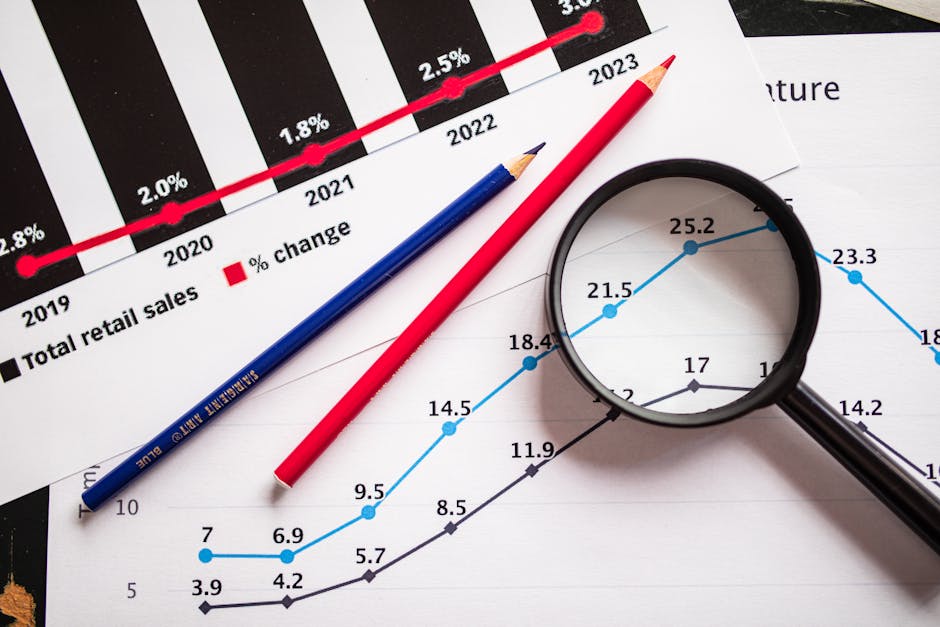
In my experience, implementing AI Demand Forecasting solutions has not only improved inventory management but has also provided unique opportunities to align production more closely with market trends, minimizing waste and optimizing resource allocation.
Understanding the Foundation of AI Demand Forecasting
To fully appreciate the potential of AI in demand forecasting, it's essential to understand the underlying technology. AI models leverage vast datasets to identify patterns that human analysts might overlook. This capability is particularly effective in predicting changes in consumer demand.
Real-World Application: Success Stories
Retail Transformation
Take, for instance, a notable retail chain that faced ongoing challenges in maintaining optimal stock levels. By integrating AI-powered forecasting solutions, they analyzed historical sales data, customer preferences, and external factors such as local events. As a result, they saw a 30% improvement in inventory turnover, leading to significant cost reductions.
Agricultural Efficiency
In agriculture, a similar story unfolded. A farming cooperative utilized AI demand forecasting to predict crop yields based on weather patterns and soil conditions. This forward-thinking approach enabled them to allocate resources more effectively, ultimately boosting their overall productivity and profitability.
The Challenges of Implementation
While numerous success stories exist, the path to adopting AI Demand Forecasting models is not without its hurdles. Many organizations face challenges in data integration, systems compatibility, and employee training. It's crucial to approach these obstacles with comprehensive strategies that include stakeholder buy-in and a robust change management plan.
Future Transformations in Demand Forecasting
The potential for AI Demand Forecasting continues to expand as technologies evolve. The future will likely see increased use of predictive analytics and machine learning integration across various sectors. Companies that embrace these advancements are poised to gain a competitive edge in an increasingly volatile market.
Conclusion
As my experiences have shown, the successful implementation of AI Forecasting Solutions can lead to remarkable transformations in how businesses manage demand. Those who harness these insights and tools will undoubtedly thrive in the future.
Comments
Post a Comment