How AI in Talent Acquisition Actually Works: A Technical Deep Dive
The talent acquisition landscape has undergone a seismic transformation over the past few years, driven primarily by artificial intelligence technologies that are reshaping how organizations identify, engage, and hire top talent. While many recruitment professionals discuss the benefits of AI, fewer understand the actual mechanics—the algorithms, data flows, and decision-making processes that power these systems. For those working inside talent acquisition teams at organizations like LinkedIn, HireVue, and Workday, understanding these behind-the-scenes operations isn't just academic curiosity; it's essential for optimizing recruitment outcomes and maintaining competitive advantage in increasingly tight labor markets.
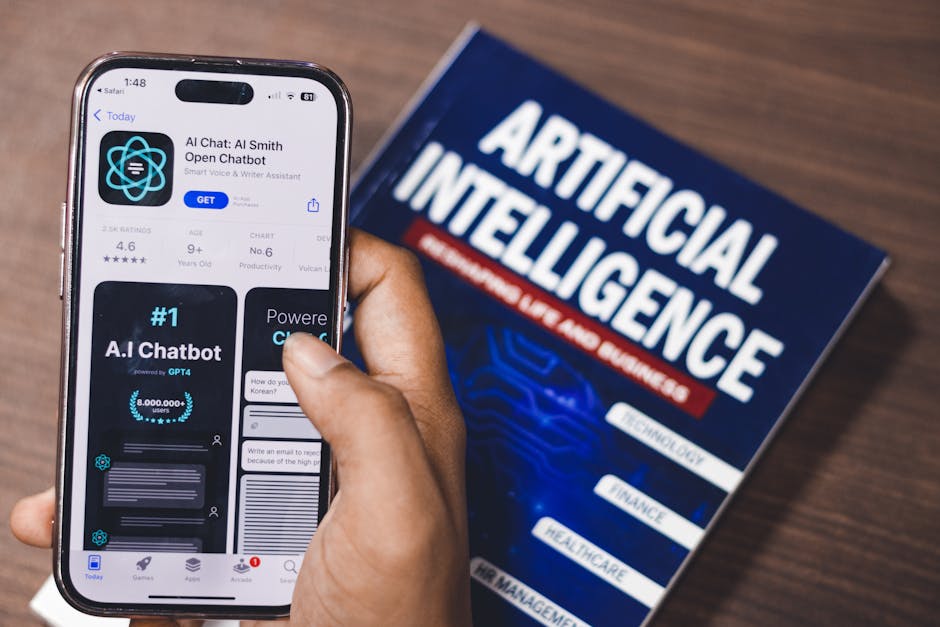
The core mechanisms behind AI in Talent Acquisition rely on three foundational processes: natural language processing for extracting meaning from unstructured data, machine learning models that continuously improve prediction accuracy, and pattern recognition systems that identify correlations humans might miss. These technologies work in concert throughout the recruitment funnel, from the moment a job requisition is created to the final offer acceptance. Understanding how these systems actually function reveals both their tremendous potential and their current limitations, allowing talent acquisition professionals to leverage AI strategically rather than implementing it blindly.
The Data Foundation: How AI Systems Learn Your Hiring Patterns
Every AI-powered talent acquisition system begins with data—specifically, historical hiring data that serves as the training foundation for predictive models. When you implement an AI Resume Parsing solution or candidate screening tool, the system first analyzes your organization's past hiring decisions: which candidates were selected for interviews, who received offers, who accepted those offers, and critically, who succeeded in their roles based on performance reviews and retention data. This historical dataset becomes the blueprint the AI uses to identify patterns that correlate with successful hires. The system examines hundreds of variables simultaneously, from educational backgrounds and previous job titles to the specific language candidates use in their applications and the career progression patterns they've demonstrated.
The quality and breadth of this training data directly determines how effective your AI implementation will be. Organizations with robust ATS (Applicant Tracking System) implementations and comprehensive HRIS data enjoy a significant advantage because their systems have rich, structured information spanning years of hiring decisions across multiple roles and departments. The AI algorithms use this data to build what data scientists call "feature vectors"—mathematical representations of what successful candidates look like for specific roles. For example, the system might learn that successful account executives at your company typically have 3-5 years of B2B sales experience, specific certifications, and tend to use achievement-oriented language in their resumes, while successful software engineers demonstrate contributions to open-source projects and possess particular technical certifications.
However, this data-driven approach introduces a critical challenge: if your historical hiring data contains biases—whether conscious or unconscious—the AI system will learn and potentially amplify those biases. This is why understanding the behind-the-scenes mechanics matters tremendously. When talent acquisition teams recognize that their AI is essentially learning from past human decisions, they can implement data auditing processes to identify and mitigate potential bias patterns before they become embedded in the system. Leading organizations now conduct regular bias audits of their training data, examining variables like diversity hiring outcomes, offer acceptance rates across demographic groups, and quality of hire metrics segmented by candidate sources.
Resume Parsing and Semantic Understanding: Beyond Keyword Matching
One of the most visible applications of AI in recruitment is resume parsing, but the technology has evolved far beyond simple keyword extraction. Modern AI Resume Parsing systems employ natural language processing to understand context, intent, and implicit qualifications that traditional keyword searches miss entirely. When a candidate's resume enters the system, the AI doesn't just scan for specific terms like "project management" or "Python programming"; it constructs a semantic understanding of the candidate's entire career narrative, identifying skills that may be implied rather than explicitly stated.
The technical process involves several sophisticated steps. First, the system uses optical character recognition (if needed) and document structure analysis to extract text from various resume formats—PDFs, Word documents, even scanned images. Then, named entity recognition algorithms identify specific data points: names, educational institutions, employers, job titles, dates, and technical skills. The more advanced layer involves dependency parsing, where the AI analyzes the grammatical structure of sentences to understand relationships between concepts. For instance, if a resume states "Led a team of 12 engineers in developing a machine learning platform that reduced processing time by 40%," the AI understands not just that the candidate has leadership experience and machine learning knowledge, but also that they achieved measurable business impact through technical leadership.
What makes modern Candidate Screening AI particularly powerful is its ability to perform cross-reference validation and skill inference. The system can verify claimed credentials against known databases, check employment timeline consistency, and infer additional skills based on stated experience. For example, if a candidate lists experience with specific AWS services, the AI can infer familiarity with cloud architecture principles, DevOps practices, and related technologies even if not explicitly mentioned. This semantic understanding dramatically expands the candidate pool by identifying qualified individuals who might describe their experience using different terminology than what appears in the job requisition.
Candidate Matching Algorithms: The Mathematics of Fit
After parsing resumes and building candidate profiles, AI systems employ sophisticated matching algorithms to rank candidates against job requirements. This process goes far beyond simple checklist matching; it involves multi-dimensional scoring across technical qualifications, experience levels, career trajectory, and predicted cultural fit. The algorithm assigns weighted scores to different criteria based on what the training data indicates matters most for success in similar roles. A senior leadership position might weight strategic thinking indicators and leadership tenure heavily, while an entry-level technical role might prioritize educational background and demonstrated learning agility.
These matching algorithms increasingly incorporate what's called "collaborative filtering"—the same technology that powers recommendation engines on platforms like Netflix or Amazon. The system identifies patterns like "candidates who succeeded in Role A also tended to excel in Role B" or "candidates from Company X typically demonstrate strong performance in positions requiring Y skill set." This allows the AI to make sophisticated recommendations that consider non-obvious fit indicators. For instance, the system might surface a candidate whose resume doesn't perfectly match the job description but whose career pattern closely resembles employees who have successfully transitioned into similar roles at your organization.
The ranking process also considers what recruitment professionals call "candidate engagement signals"—behavioral data that indicates genuine interest and likelihood of acceptance. If a candidate has previously applied to your organization, engaged with your employer branding content, or has a network connection to current employees, the AI factors these signals into its overall assessment. By developing custom AI solutions tailored to your specific recruitment needs, organizations can fine-tune these matching algorithms to reflect their unique definition of quality of hire and incorporate proprietary assessment data that generic solutions cannot access.
Automated Candidate Sourcing: Proactive Talent Discovery
While much AI focus centers on screening applicants who come to you, Automated Talent Sourcing represents perhaps the most transformative application—proactively identifying passive candidates who aren't actively job searching. These systems continuously scan professional networks, industry forums, publication databases, and public repositories (like GitHub for technical roles) to identify individuals whose profiles suggest they might be strong fits for current or anticipated future openings. The AI doesn't wait for candidates to apply; it builds ongoing pipelines of potential talent.
The technical sophistication here involves what's called "predictive candidate modeling." The AI analyzes not just who candidates are today, but career trajectory patterns that suggest where they're heading and when they might be open to new opportunities. For instance, the system might identify that software engineers at certain companies typically seek new roles after 2-3 years, or that marketing directors frequently transition after major campaign launches based on their LinkedIn activity patterns. By identifying these signals early, talent acquisition teams can engage candidates at optimal moments, dramatically improving response rates and time-to-fill metrics.
These sourcing systems also excel at diversity hiring initiatives by deliberately expanding search parameters beyond traditional talent pools. The AI can identify candidates from non-traditional backgrounds whose transferable skills and demonstrated abilities suggest strong potential, even if they lack conventional credentials. For example, the system might surface candidates who gained technical expertise through bootcamps and self-directed learning rather than computer science degrees, or identify leaders from adjacent industries whose strategic capabilities transfer well despite sector differences. This capability helps organizations move beyond the limiting "must have 5 years in our exact industry" requirements that artificially constrain talent pools and perpetuate homogeneity.
Interview Scheduling and Coordination: The Logistical Intelligence Layer
One often-overlooked aspect of AI in Talent Acquisition is its role in eliminating the logistical friction that historically plagued recruitment processes. Interview scheduling AI systems integrate with calendar platforms, candidate preferences, interviewer availability, and even optimize for factors like interviewer diversity and avoiding back-to-back interview fatigue. The system doesn't just find an available time slot; it optimizes across multiple variables to create the best possible candidate experience while maximizing efficiency for hiring teams.
Behind the scenes, these systems employ constraint satisfaction algorithms—mathematical approaches that simultaneously balance multiple competing requirements. The AI considers candidate time zones and stated preferences, interviewer expertise areas and evaluation calibration needs, room availability for in-person interviews, video conferencing system capacity, and even factors like ensuring candidates don't experience excessive wait times between interview stages. For high-volume hiring scenarios common in talent acquisition for companies like Indeed or Glassdoor, this automation can reduce time-to-interview from weeks to days while dramatically improving the candidate experience that increasingly influences offer acceptance rates.
The intelligence extends beyond initial scheduling to managing the entire interview lifecycle. If a candidate requests rescheduling, the AI automatically identifies alternative slots that satisfy all constraints and notifies relevant parties. If an interviewer cancels, the system finds a suitable replacement from the hiring team and updates everyone affected. These systems also track interview completion rates and automatically trigger follow-up reminders, ensuring candidates don't fall into the dreaded "black hole" of unresponsive recruitment processes that damages employer branding. The cumulative effect is a dramatically streamlined candidate experience that reduces drop-off rates while freeing recruiters to focus on relationship-building rather than calendar management.
Continuous Learning and Model Refinement: How Systems Improve Over Time
What distinguishes truly effective AI implementations from disappointing ones is the continuous learning loop that allows systems to improve based on outcomes. As new hires complete onboarding and begin generating performance data, sophisticated AI in Talent Acquisition platforms feed this information back into their predictive models, refining their understanding of what actually predicts success. If the AI initially overweighted certain credentials that turn out not to correlate with strong performance, it adjusts its scoring algorithms accordingly. This creates a virtuous cycle where the system becomes more accurate and valuable over time.
The technical mechanism involves what machine learning practitioners call "reinforcement learning"—the AI receives feedback signals (positive for successful hires, negative for regrettable attrition or poor performance) and adjusts its decision-making rules to maximize positive outcomes. However, implementing this effectively requires careful instrumentation. Talent acquisition teams must define clear success metrics beyond just "was this person hired"—ideally incorporating 90-day performance reviews, manager satisfaction scores, retention at 1-year and 2-year intervals, and promotion velocity. The more comprehensive and accurate this feedback data, the more effectively the AI can refine its models.
Organizations must also address the challenge of bias amplification in these learning loops. As the industry becomes increasingly aware, without careful monitoring, AI systems can create self-fulfilling prophecies where they preferentially surface candidates similar to past hires, which leads to hiring more similar candidates, which reinforces the initial pattern. Breaking this cycle requires deliberate intervention: conducting regular algorithmic audits, implementing diversity metrics alongside efficiency metrics, and occasionally introducing controlled randomization to expose the system to candidate profiles outside its current comfort zone. The most sophisticated implementations now include fairness constraints directly in their optimization functions, ensuring the AI doesn't improve efficiency at the expense of diversity and inclusion goals.
Regulatory Compliance and Ethical Guardrails in AI Recruitment
As AI systems increasingly make or heavily influence hiring decisions, regulatory scrutiny has intensified considerably. Talent acquisition professionals must understand that their AI implementations operate within a complex legal framework encompassing equal employment opportunity laws, data privacy regulations like GDPR and CCPA, and emerging AI-specific regulations. The behind-the-scenes technical implementation must therefore include compliance monitoring mechanisms that track which criteria the AI is actually using in its decision-making and whether those criteria create adverse impact on protected groups.
Modern AI in Talent Acquisition systems incorporate what's called "explainability" or "interpretability" features—technical capabilities that allow recruiters to understand why the AI scored a particular candidate in a specific way. Rather than treating the AI as a black box that mysteriously produces rankings, these systems can surface the specific factors that contributed to each candidate's score: which skills or experiences weighted most heavily, which pattern matches influenced the recommendation, and how the candidate compares to the success profile for the role. This transparency serves dual purposes: it enables human recruiters to exercise informed judgment about AI recommendations, and it provides documentation that can demonstrate non-discriminatory decision-making if hiring practices are ever challenged.
The intersection of AI in recruitment and regulatory frameworks has given rise to specialized considerations around AI Regulatory Compliance, particularly as jurisdictions like New York City have begun requiring bias audits for automated employment decision tools. Forward-thinking organizations are implementing comprehensive AI governance frameworks that include pre-deployment bias testing, ongoing monitoring of selection outcomes across demographic groups, regular algorithmic audits by third-party specialists, and clear human oversight protocols that ensure AI recommendations inform rather than replace human judgment. Understanding these compliance mechanisms isn't peripheral to AI implementation—it's central to sustainable, responsible deployment that delivers value without creating legal and reputational risks.
Conclusion: Mastering the Mechanisms for Strategic Advantage
Understanding how AI in Talent Acquisition actually works—the data foundations, algorithmic approaches, learning mechanisms, and compliance frameworks—transforms it from a mysterious black box into a powerful tool that talent acquisition professionals can leverage strategically. The organizations seeing the greatest return on their AI investments aren't those that simply purchased the most sophisticated platform; they're the ones whose teams understand the underlying mechanics well enough to optimize data quality, configure systems appropriately, interpret results intelligently, and continuously refine their implementations based on outcomes. This technical literacy allows recruitment professionals to ask the right questions of vendors, identify when AI recommendations should be overridden by human judgment, and design hybrid workflows that combine algorithmic efficiency with human insight.
As AI capabilities continue advancing and regulatory frameworks evolve, the talent acquisition function will increasingly differentiate between organizations that treat AI as a plug-and-play commodity versus those that develop genuine expertise in these systems. The future belongs to recruitment teams that understand not just what their AI can do, but how it does it—the teams that can audit their training data for bias, optimize their matching algorithms for their specific definition of quality of hire, and implement continuous learning loops that make their systems more effective over time. By mastering these behind-the-scenes mechanisms while maintaining appropriate attention to AI Regulatory Compliance frameworks, talent acquisition professionals position themselves and their organizations to win the ongoing war for talent in an increasingly AI-enabled recruitment landscape.
Comments
Post a Comment