Complete Intelligent Fleet Automation Implementation Checklist
Implementing intelligent automation across fleet operations represents one of the most impactful technology investments transportation organizations can make, yet the complexity of successful deployment overwhelms many well-intentioned initiatives. Without structured guidance, implementations drift toward feature accumulation rather than strategic transformation, consuming budgets while delivering fragmented value. A comprehensive, prioritized checklist—grounded in both technical requirements and organizational change management—provides the framework necessary to navigate this complexity systematically.
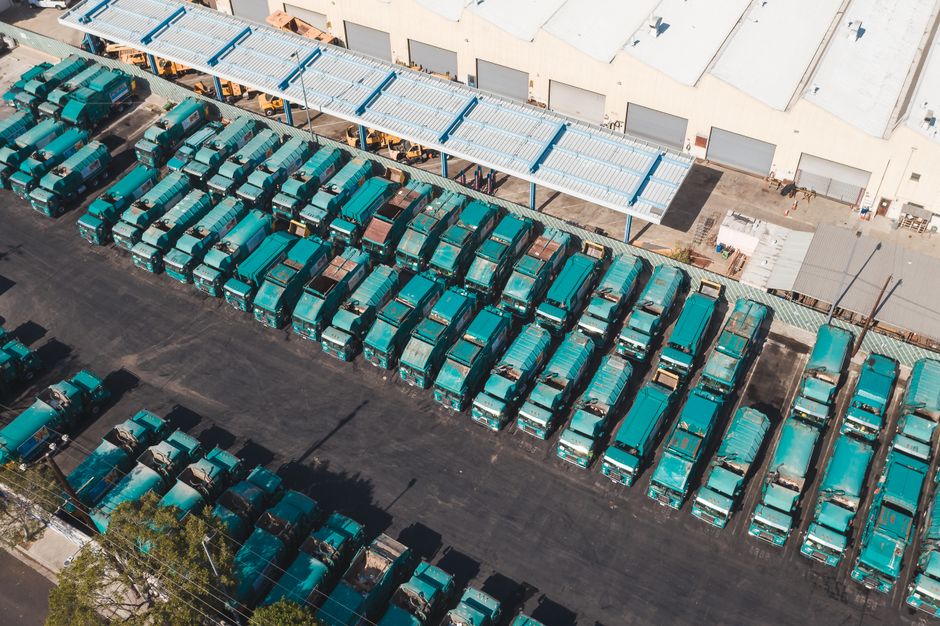
This checklist distills essential elements of successful Intelligent Fleet Automation implementations, organized into logical phases with clear rationale for each component. Rather than presenting a generic template, these items reflect practical necessities discovered through actual deployments across diverse fleet types—from last-mile delivery to long-haul trucking to service vehicle operations. Each checklist item includes not just what to do, but why it matters and what risks emerge when it's overlooked.
Phase One: Foundation and Assessment
□ Conduct Comprehensive Fleet Inventory Audit
Document every vehicle with specifications including year, make, model, mileage, condition, existing technology, and compatibility with modern telematics devices. Rationale: Intelligent Fleet Automation systems require accurate baseline data to calculate ROI, identify integration challenges, and prioritize deployment sequences. Organizations that skip this step discover compatibility issues mid-implementation, forcing costly workarounds or device replacements. Knowing that 15% of your fleet uses vehicles incompatible with standard OBD-II telematics allows proactive planning rather than reactive problem-solving.
□ Map Current Process Workflows End-to-End
Document how work actually happens—from customer order to dispatch assignment, route planning, vehicle departure, delivery execution, documentation, maintenance scheduling, fuel purchasing, and reporting. Include manual handoffs, decision points, exception handling, and information sources. Rationale: Automation optimizes existing workflows; if current processes contain inefficiencies or illogical handoffs, automation amplifies rather than eliminates these problems. Process mapping reveals improvement opportunities and identifies which manual tasks deliver value versus which exist only because they've always been done that way.
□ Define Measurable Baseline Metrics
Establish current performance across key dimensions: fuel consumption per mile, maintenance cost per vehicle, on-time delivery percentage, vehicle utilization rate, administrative time per transaction, safety incident frequency, and regulatory compliance status. Rationale: Without quantified baselines, ROI calculations become speculative and progress measurement impossible. The discipline of establishing baselines often reveals that "we think we're doing well" assumptions lack supporting data, exposing improvement opportunities larger than initially recognized.
□ Identify Integration Points with Existing Systems
Catalog every system that will need to exchange data with Fleet Management Automation platforms: warehouse management, order processing, accounting, fuel cards, maintenance tracking, HR systems, customer relationship management, and regulatory reporting tools. Document data formats, API availability, update frequencies, and ownership responsibilities. Rationale: Integration complexity drives 40-60% of implementation costs and timeline extensions. Early identification allows realistic budgeting and reveals which systems require middleware, custom connectors, or replacement before automation delivers full value.
Phase Two: Technology Selection and Infrastructure
□ Establish Data Infrastructure Requirements
Define specifications for data collection, transmission, storage, processing, and retention. Consider telematics bandwidth needs, cellular coverage across operating territories, cloud versus on-premise processing, data security requirements, backup and recovery protocols, and compliance with data privacy regulations. Rationale: Intelligent Fleet Automation platforms consume and generate massive data volumes. Insufficient infrastructure creates bottlenecks where data arrives faster than systems can process it, causing delays, data loss, or system instability that undermines automation reliability.
□ Select and Install Telematics Devices
Choose devices compatible with vehicle types, capable of capturing required data points (location, speed, fuel consumption, engine diagnostics, driver behavior), supporting necessary communication protocols, and integrating with selected automation platforms. Plan phased installation to maintain operational continuity. Rationale: Telematics devices serve as the sensory system for AI Fleet Solutions, providing real-time visibility without which intelligent automation operates on outdated or incomplete information. Device selection impacts data quality, installation cost, ongoing connectivity expenses, and replacement frequency.
□ Implement Centralized Data Platform
Establish a unified data environment where information from telematics, maintenance systems, fuel cards, driver apps, and operational systems converges, undergoes validation and standardization, and becomes accessible for analytics and automation. Consider platforms offering AI development platforms with pre-built fleet integrations. Rationale: Fragmented data scattered across disconnected systems prevents holistic optimization. Centralization enables cross-functional insights—correlating driver behavior with fuel consumption and maintenance costs, or linking route characteristics with vehicle wear patterns—that siloed data cannot reveal.
□ Configure Security and Access Controls
Define role-based permissions determining who can view data, modify configurations, override automated recommendations, and access sensitive information. Implement encryption for data transmission and storage, establish authentication protocols, and create audit trails tracking system changes. Rationale: Fleet data includes sensitive information about employee behavior, customer locations, and competitive operations. Inadequate security exposes organizations to data breaches, privacy violations, and competitive intelligence losses, while overly restrictive access prevents legitimate users from performing necessary functions.
Phase Three: Core Automation Capabilities
□ Deploy Route Optimization Engine
Implement systems that calculate optimal route sequences considering delivery windows, vehicle capacity, traffic patterns, driver hours-of-service limits, and customer priorities. Enable real-time re-optimization responding to traffic incidents, cancellations, or delays. Rationale: Route optimization typically delivers the most visible early wins in Intelligent Fleet Automation implementations—reduced mileage, lower fuel costs, and improved on-time performance—building organizational momentum and stakeholder confidence for subsequent phases.
□ Activate Predictive Maintenance Capabilities
Configure systems analyzing vehicle sensor data, maintenance history, operating conditions, and failure patterns to predict component failures before they occur. Establish workflows triggering maintenance scheduling, parts ordering, and vehicle rotation when failure probability exceeds defined thresholds. Rationale: Predictive maintenance shifts organizations from reactive repairs (expensive, disruptive) or calendar-based servicing (wasteful, imprecise) to condition-based interventions that maximize vehicle availability while minimizing maintenance costs. This capability often generates ROI sufficient to justify entire automation investments.
□ Implement Automated Compliance Monitoring
Deploy systems tracking hours-of-service regulations, vehicle inspection requirements, emission standards, weight restrictions, and industry-specific compliance obligations. Configure automated alerts preventing violations before they occur and generating required documentation automatically. Rationale: Regulatory non-compliance carries financial penalties, operational restrictions, and reputational damage. Manual compliance tracking fails intermittently due to human oversight; automated monitoring provides continuous verification and documentation that reduces regulatory risk to near-zero levels.
□ Enable Real-Time Fleet Visibility
Create dashboards and monitoring interfaces providing live visibility into vehicle locations, operational status, delivery progress, driver availability, fuel levels, and exception conditions. Configure role-appropriate views ensuring each user sees relevant information without overwhelming detail. Rationale: Real-time visibility transforms fleet management from reactive (responding to problems after they're reported) to proactive (identifying and addressing issues as they develop). This situational awareness enables dynamic decision-making impossible with delayed or incomplete information.
Phase Four: Advanced Optimization and Intelligence
□ Deploy Dynamic Load Balancing
Implement capabilities that continuously redistribute work across available vehicles and drivers based on changing conditions—reassigning deliveries from delayed vehicles to those ahead of schedule, routing emergency requests to optimally positioned resources, and balancing workload to prevent some drivers from exceeding hours while others sit idle. Rationale: Static assignments made at shift start become suboptimal within hours as reality diverges from plans. Dynamic rebalancing maintains near-optimal resource utilization throughout operational periods, recovering efficiency that static approaches inevitably lose.
□ Activate Driver Behavior Monitoring and Coaching
Configure systems analyzing acceleration patterns, braking behavior, cornering speeds, idle time, and adherence to speed limits. Establish coaching workflows that provide feedback to drivers, recognize superior performance, and identify training needs. Rationale: Driver behavior significantly impacts fuel consumption, vehicle wear, safety incidents, and customer satisfaction. Automated monitoring provides objective, comprehensive assessment impossible through manual observation, while immediate feedback accelerates behavior improvement more effectively than periodic reviews.
□ Implement Fuel Management Optimization
Deploy systems tracking fuel consumption by vehicle, route, driver, and operating conditions; identifying optimal refueling locations considering price, route efficiency, and tank capacity; and detecting anomalies indicating theft, fraud, or vehicle problems. Rationale: Fuel represents 20-40% of fleet operating costs. Even small percentage improvements through better purchasing decisions, reduced idling, optimized routes, and fraud prevention generate substantial savings while improving environmental sustainability.
□ Configure Performance Analytics and Reporting
Establish automated reporting systems tracking key performance indicators, comparing actual versus planned performance, identifying trends, highlighting exceptions, and generating compliance documentation. Create executive dashboards, operational reports, and drill-down analytics supporting different decision-making needs. Rationale: Data collection without analysis wastes infrastructure investment. Structured analytics transform raw data into actionable insights, revealing improvement opportunities, validating automation ROI, and supporting strategic decisions about fleet composition, service expansion, or operational restructuring.
Phase Five: Change Management and Continuous Improvement
□ Develop Comprehensive Training Programs
Create role-specific training for drivers (using in-vehicle systems, understanding performance feedback), dispatchers (working with optimization recommendations, handling exceptions), maintenance teams (responding to predictive alerts, updating system records), and managers (interpreting analytics, configuring business rules). Rationale: Technology capabilities mean nothing if users lack skills to employ them effectively. Inadequate training leads to system abandonment, workarounds that undermine automation value, and user frustration that poisons organizational culture toward future improvements.
□ Establish Exception Handling Protocols
Define clear procedures for situations where automated recommendations seem inappropriate, systems malfunction, or unusual circumstances require human judgment. Document override authority, escalation paths, and recording requirements ensuring exceptions inform system improvement rather than simply bypassing automation. Rationale: No automation system handles every conceivable situation perfectly. Well-designed exception protocols maintain operational continuity during edge cases while preserving user trust and capturing learning opportunities that improve automation logic.
□ Create Continuous Improvement Feedback Loops
Implement processes for users to report system issues, suggest enhancements, and contribute domain expertise that improves automation logic. Schedule regular reviews analyzing system performance, user feedback, and emerging opportunities. Rationale: Intelligent Fleet Automation isn't a deploy-and-forget technology. Markets change, regulations evolve, fleets grow, and new capabilities emerge. Organizations treating implementation as a project rather than an ongoing program fail to capture long-term value and find systems becoming obsolete or misaligned with business needs.
Conclusion: Systematic Implementation for Lasting Success
This comprehensive checklist provides the structured framework necessary for successful Intelligent Fleet Automation deployment, but checklists alone don't guarantee outcomes. Each item requires thoughtful execution adapted to organizational context, fleet characteristics, and operational requirements. The sequence matters—attempting advanced optimization before establishing data infrastructure inevitably fails, while deploying technology without change management creates expensive shelfware.
Organizations approaching this checklist systematically, investing in proper foundations before pursuing advanced features, and maintaining focus on business outcomes rather than technology novelty position themselves for transformative success. For those seeking expert guidance through this complex journey, partnering with experienced providers in AI Fleet Operations accelerates implementation timelines, reduces costly missteps, and ensures that automation investments deliver their full potential value. The path from manual fleet management to intelligent automation is challenging, but following this systematic approach transforms complexity into manageable, sequential progress toward operational excellence.
Comments
Post a Comment